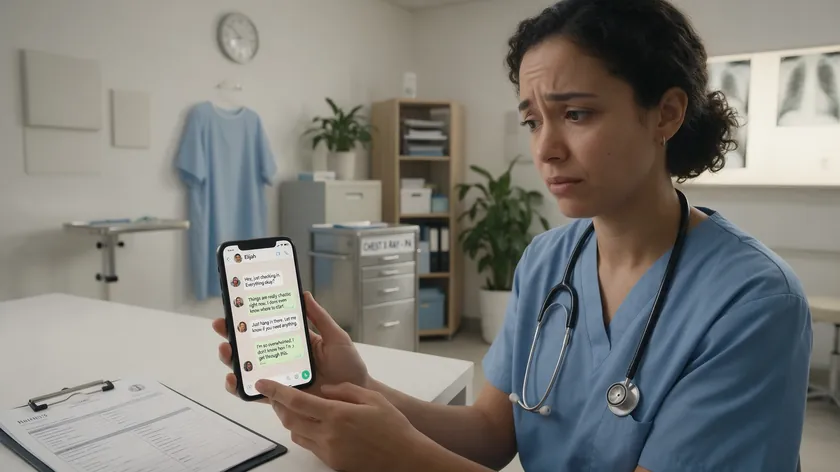
Many healthcare professionals and staff already use WhatsApp informally, coordinating with colleagues, answering patient questions, and even sharing lab results. It’s fast and familiar, and everyone already has it. But few stop to ask whether those conversations violate federal law.
This guide answers “Is WhatsApp HIPAA-compliant?” directly and practically, so you can make informed decisions about messaging in your practice.
Table of Contents
- What Does HIPAA Require for Messaging Platforms?
- Is WhatsApp HIPAA Compliant? The Short Answer
- Why WhatsApp Fails HIPAA Requirements
- Can Healthcare Providers Use WhatsApp for Patient Communication?
- Risks of Using WhatsApp to Communicate PHI
- HIPAA-Compliant Alternatives to WhatsApp
- Practical Steps for Healthcare Organizations Moving Off WhatsApp
- Conclusion
- Key Takeaways
- FAQ
- Can WhatsApp ever become HIPAA-compliant in the future?
- Is it a HIPAA violation if a patient sends me PHI on WhatsApp?
- Can I respond to a patient on WhatsApp if they message me first?
- Is WhatsApp Business API for healthcare any safer from a HIPAA perspective?
- What should I document if my clinic decides to prohibit WhatsApp for PHI?
What Does HIPAA Require for Messaging Platforms?
HIPAA compliance for messaging is governed primarily by the Privacy Rule and the HIPAA Security Rule. Together, they dictate how protected health information (PHI) must be stored, transmitted, and accessed—whether on paper, in an EHR, or inside a messaging app.
Any platform that touches electronic PHI (ePHI) must satisfy a specific set of obligations defined by the Department of Health and Human Services.
Core obligations for covered entities and business associates include:
- Maintaining confidentiality, integrity, and availability of all ePHI transmitted or stored.
- Implementing identity verification, access controls, and audit trails that record who accessed which PHI and when.
- Conducting periodic risk analyses, managing identified risks, and providing breach notification when incidents occur.
Any vendor handling ePHI—such as a messaging service—is typically a business associate under HIPAA and must sign a business associate agreement (BAA). A BAA defines how the vendor protects PHI and allocates breach liability. Without one, using that vendor for PHI is automatically non-compliant.
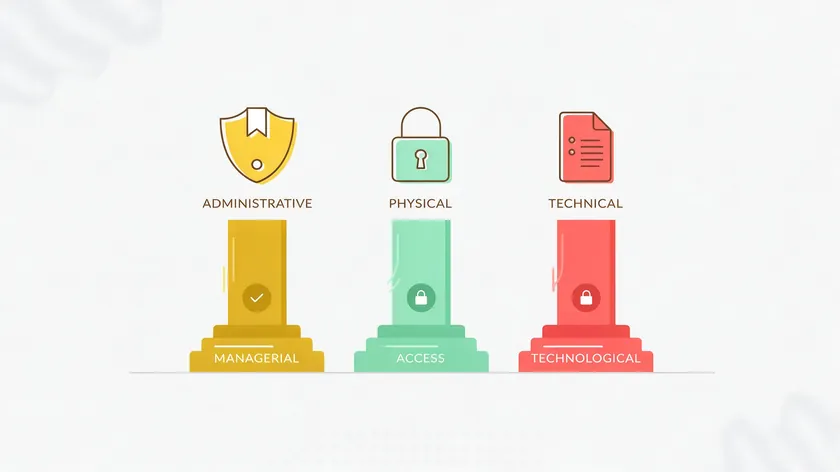
HIPAA regulations also require a layered set of safeguards relevant to any messaging platform:
- Administrative safeguards: workforce training, risk assessment, designated security officials, and documented policies.
- Physical safeguards: device protections, facility access restrictions, and secure hardware storage.
- Technical safeguards: unique user IDs, role-based access controls, audit logs, encryption, automatic logoff, integrity controls, and transmission security.
Consumer messaging apps often fail to meet HIPAA safeguards because they lack BAAs, auditability, and centralized control. That’s why popular messaging apps—including WhatsApp, Signal, and Telegram—are rarely HIPAA compliant out of the box. Neither Signal nor Telegram is HIPAA compliant, for the same structural reasons.
Is WhatsApp HIPAA Compliant? The Short Answer
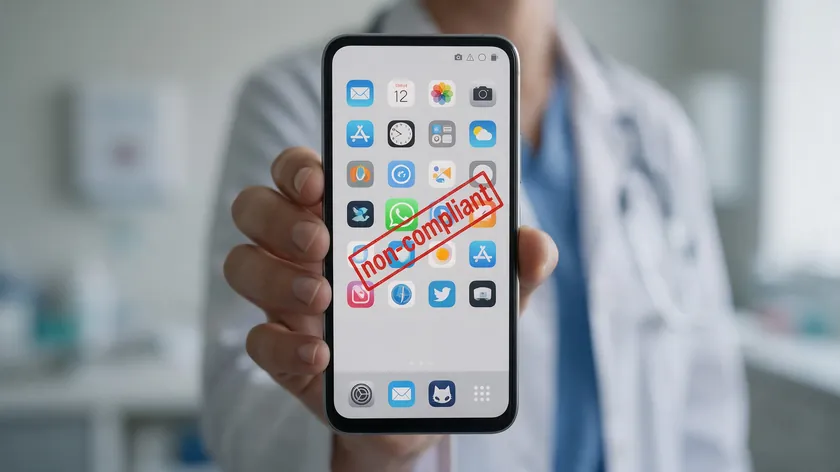
Is WhatsApp HIPAA compliant? No. As of 2026, neither WhatsApp, WhatsApp Business, nor WhatsApp Business API for healthcare is HIPAA compliant. WhatsApp is not HIPAA compliant in any configuration available today.
Meta does not sign business associate agreements for any WhatsApp product. Meta’s terms explicitly state that the WhatsApp Cloud API is not HIPAA compliant and that Meta is not a business associate under HIPAA. Without a BAA, PHI communication via WhatsApp is non-compliant, period.
This means WhatsApp Business is not HIPAA compliant either. There is no add-on, paid tier, or configuration that changes this. Using WhatsApp to communicate PHI is a HIPAA risk for healthcare providers, regardless of how secure it feels to clinicians or patients.
Why WhatsApp Fails HIPAA Requirements

WhatsApp HIPAA discussions often focus only on encryption, but HIPAA demands a broader set of safeguards and accountability mechanisms. Encryption is one piece of a much larger puzzle.
No Business Associate Agreement (BAA)
Business associate agreements are essential for HIPAA compliance. HIPAA requires a business associate agreement for PHI handling whenever a vendor creates, receives, transmits, or stores protected health information (PHI).
- WhatsApp does not sign business associate agreements. This is not a technical gap—it’s a deliberate policy decision by Meta. No configuration, add-on, or paid tier turns WhatsApp into a HIPAA-compliant solution.
- A BAA defines how a vendor protects PHI and how breach liability is shared. Without one, healthcare organizations have zero contractual assurance that their patient data is handled according to HIPAA requirements.
The absence of a signed business associate agreement is a non-negotiable, disqualifying issue for any platform used to store protected health information.
Missing Technical Safeguards
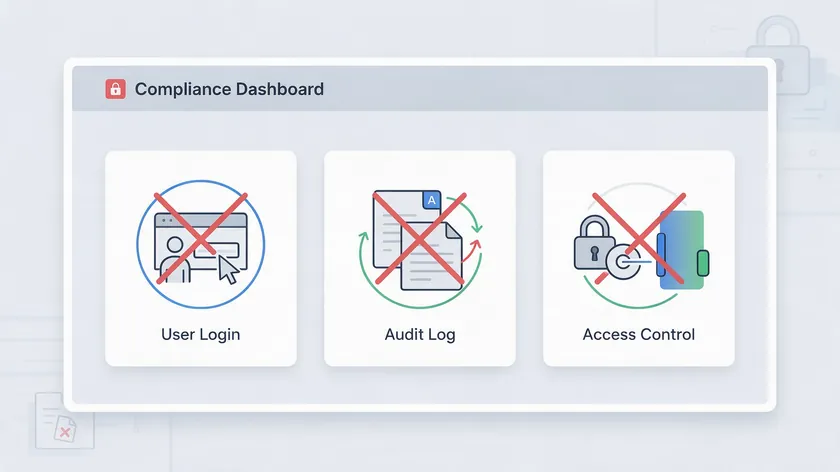
HIPAA’s Security Rule expects a range of technical safeguards from any system that handles ePHI:
- Unique user IDs and authentication for each user accessing PHI.
- Automatic logoff after periods of inactivity.
- Centralized access control so administrators can revoke access when staff leave—something WhatsApp cannot do.
- Audit controls that produce detailed logs of ePHI access and modifications.
- Integrity monitoring and emergency access procedures.
WhatsApp lacks audit trails required by HIPAA regulations. There is no admin-level dashboard for compliance officers, and WhatsApp does not provide adequate access controls for PHI.
Accounts are tied to personal phone numbers, making centralized enterprise management impossible. HIPAA requires detailed logs of ePHI access and modifications, and WhatsApp simply does not offer them.
Encryption Alone Isn’t Enough
WhatsApp messages use end-to-end encryption via the Signal Protocol, meaning content is encrypted in transit. That’s a meaningful security measure—but encryption alone does not ensure HIPAA compliance.
- HIPAA requires encryption of PHI at all times, including at rest and in backups. WhatsApp’s cloud backups may be unencrypted or stored under vendor control, outside the healthcare organization’s visibility.
- HIPAA compliance covers the entire lifecycle of PHI—not just transit security. It also requires identity proofing, breach notification capabilities, and risk management documentation, none of which WhatsApp provides.
Encryption does not replace the need for administrative controls and user access management under HIPAA. Secure messaging in the HIPAA sense means verifiable controls and accountability—not just encrypted text between two smartphones.
Metadata and Data Residency Risks
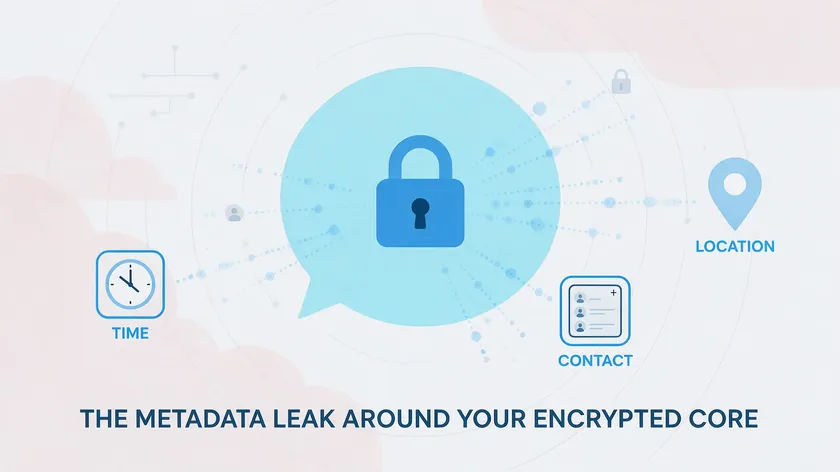
WhatsApp encrypts message content, but routing and usage metadata—who contacted whom, timestamps, and frequency—can be visible to Meta and its infrastructure providers. This conflicts with strict PHI privacy expectations and the audit controls HIPAA demands.
Even if a clinic never intends to send PHI, real-world use quickly drifts into mentioning patient-specific information: names, conditions, and clinical images. Once PHI crosses that line, compliance exposure exists regardless of original intent.
Can Healthcare Providers Use WhatsApp for Patient Communication?
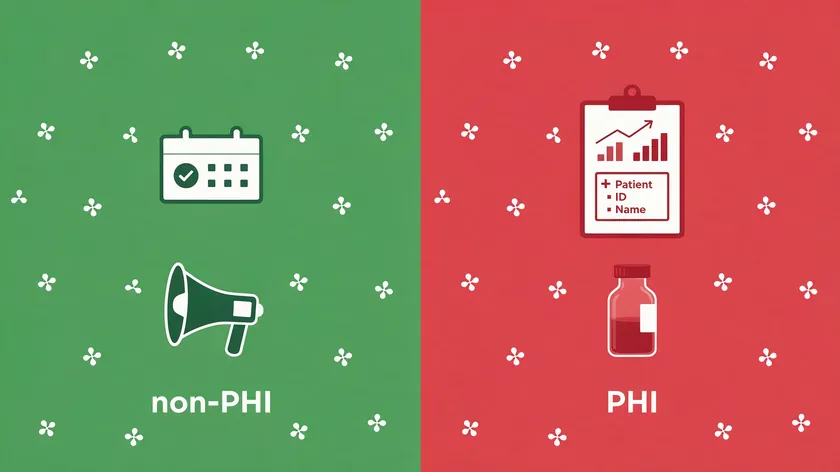
Healthcare providers frequently ask whether any WhatsApp use is allowed—especially for quick patient communication or staff coordination among healthcare teams.
Strictly non-PHI uses
Strictly non-PHI uses—scheduling internal meetings, journal clubs, and general announcements without mentioning patient-specific information—carry minimal HIPAA risk.
PHI-related uses
PHI-related uses—diagnoses, lab results, identifiable clinical images, treatment details—should never flow through a non-compliant communication channel like WhatsApp.
The HIPAA Privacy Rule does allow a narrow exception: when a patient initiates or explicitly requests confidential communications through a non-compliant channel.
If a patient exercises this right by requesting confidential communications via WhatsApp, providers may respond—but only after documenting the patient’s request and warning them about security risks.
Patients can request communication through WhatsApp, but providers must document this preference and warn about data security risks. HHS allows electronic communications with patients when reasonable safeguards are applied.
Even when following a patient’s request, the provider must still apply reasonable safeguards—avoiding unnecessary identifiers, limiting detail, and promptly transferring any PHI into a HIPAA-compliant record system.
Every practice should adopt a written policy on WhatsApp usage, train staff on what constitutes PHI, and strongly prefer HIPAA-compliant messaging platforms and compliant channels over consumer apps for clinical situations.
Risks of Using WhatsApp to Communicate PHI

Beyond regulatory rules, WhatsApp carries practical data security and operational risks when used to communicate PHI in the healthcare industry.
- Lost or stolen phones expose unprotected WhatsApp chat histories. WhatsApp messages are stored locally, not on secure servers, and WhatsApp lacks remote data revocation capabilities for healthcare organizations managing protected health information.
- Screenshots and forwards can spread sensitive data to unintended recipients in an unauthorized manner.
- Automatic cloud backups may store PHI unencrypted; in jurisdictions with weaker privacy protections, healthcare providers have limited visibility into where that data transits.
- Staff turnover creates risk: former employees retain access to past chat histories because WhatsApp does not support remote deletion of messages containing PHI.
Legal and financial exposure is substantial. Unauthorized use of non-compliant apps can lead to severe financial and legal penalties. HIPAA violation penalties can reach up to $2,190,294 per violation category, plus potential OCR investigations, contractual issues with insurers, and reputational harm from data breaches.
Leadership should formally assess WhatsApp use as part of their HIPAA risk analysis, document findings, define corrective actions, and monitor enforcement. Ignoring the problem doesn’t reduce the risk—it compounds it.
HIPAA-Compliant Alternatives to WhatsApp
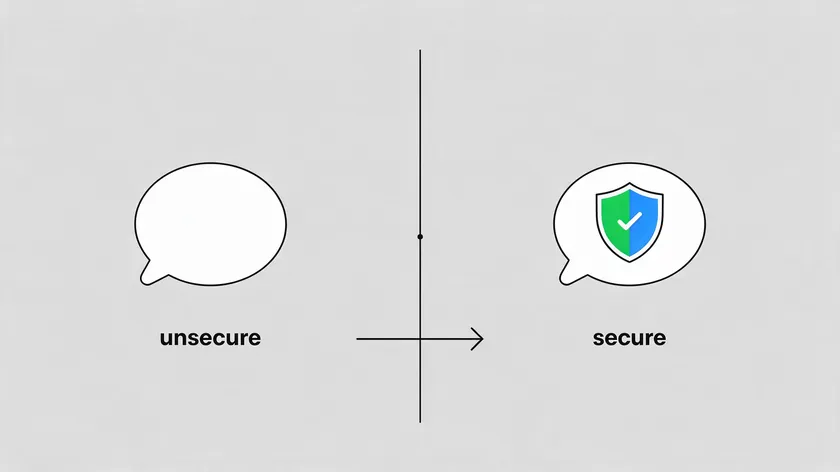
Healthcare providers should migrate from consumer apps to secure, HIPAA-compliant messaging platforms built for patient communication and clinical workflows. Dedicated HIPAA-compliant platforms sign BAAs and provide audit logging—two things WhatsApp cannot offer.
Key capabilities to look for in a HIPAA-compliant platform:
- A signed business associate agreement covering PHI handling and breach liability.
- Strong data security with encryption at rest and in transit.
- Granular access controls, including role-based access controls and automatic logoff.
- Detailed audit logs for compliance officers.
- Remote wipe and device management for lost or stolen hardware.
Practices should compare dedicated healthcare messaging tools (such as TigerConnect, Spruce, or OhMD) and compliant configurations of enterprise platforms like Google Chat or Microsoft Teams—each with appropriate BAAs. These HIPAA-compliant messaging platforms support HIPAA compliance in ways no consumer messaging app can.
The table below compares WhatsApp with a generic HIPAA-compliant messaging platform across core compliance features:
| Feature | WhatsApp / WhatsApp Business | HIPAA Compliant Messaging Platform |
|---|---|---|
| Business Associate Agreement | Not offered by Meta | Required; signed before use |
| PHI Usage Policy | Meta disclaims suitability for heightened confidentiality requirements | Clear policies allowing PHI under contractual controls |
| Encryption | End-to-end in transit; backups may be unencrypted | Encrypted in transit, at rest, and in backups |
| Audit Logs | None accessible to administrators | Full audit trails with export capability |
| User/Access Management | Tied to personal phone numbers; no central admin | Role-based access; instant revocation on offboarding |
| Data Retention Controls | Unclear; cloud backups under vendor control | Configurable retention, deletion, and archival |
| Breach Notification Support | No HIPAA-specific commitment | Contractually obligated per HIPAA rules |
While WhatsApp offers strong encryption and ease of use through instant messaging, only a dedicated HIPAA-compliant platform satisfies the full set of HIPAA requirements—including administrative safeguards, technical safeguards, and contractual accountability.
Practical Steps for Healthcare Organizations Moving Off WhatsApp
Many healthcare organizations already use WhatsApp informally. The goal isn’t an overnight ban—it’s a realistic, documented transition that protects patient data.
- Inventory current WhatsApp use: identify every way staff use it—coordination, patient messaging, sharing images, and voice and video calls—and who is involved.
- Perform a focused HIPAA risk assessment: map where PHI flows through WhatsApp, identify missing safeguards, and estimate legal and operational exposure. Healthcare organizations need to perform risk analysis when using messaging apps for ePHI communications.
- Define an interim policy: clearly state which non-PHI uses are temporarily permitted, which are forbidden, and how to handle patient-initiated exceptions with documentation.
- Select a HIPAA-compliant platform and verify that the vendor offers a BAA, audit logs, and the security measures your practice needs. Evaluate ease of use, EHR integration, and third-party providers for interoperability.
- Train staff comprehensively on what constitutes PHI, how to recognize a non-compliant channel, and how to redirect patients to secure options.
- Update documentation policies, business associate inventories, and incident response plans to reflect the transition away from consumer apps.
Leadership should set a clear sunset date for WhatsApp PHI usage and monitor adoption of the new platform through regular audits. A phased approach works better than a sudden ban—but the deadline needs to be real.
Conclusion
Is WhatsApp HIPAA compliant? No—and no settings change or upgrade path can fix that as of 2026. Healthcare providers should reserve WhatsApp for non-PHI coordination or documented patient-requested exceptions and rely on a HIPAA-compliant messaging platform for everything involving patient data.
Key Takeaways
- Neither WhatsApp, WhatsApp Business, nor WhatsApp Business API is HIPAA compliant, because Meta will not sign a Business Associate Agreement (BAA).
- End-to-end encryption and other security features do not replace HIPAA’s administrative, physical, and technical safeguards requirements.
- Healthcare providers generally must not use WhatsApp to communicate PHI, with the narrow exception of patient-initiated or specifically requested communication, documented under the HIPAA Privacy Rule.
- Organizations should migrate staff off consumer apps to a HIPAA-compliant platform designed for patient communication and data security.
- WhatsApp can still be used for non-PHI coordination, but it is not a HIPAA-compliant messaging solution.
For every non-PHI touchpoint—appointment reminder without health details, front-desk announcements, or directing walk-ins to the right team member—w.app lets you generate a dedicated WhatsApp link or QR code, so patients reach you instantly without exposing PHI in the process.
FAQ
This FAQ addresses common WhatsApp HIPAA compliance questions not fully covered in the main sections above.
Can WhatsApp ever become HIPAA-compliant in the future?
WhatsApp could only become HIPAA-compliant if Meta changed its policies, offered a Business Associate Agreement, and added enterprise compliance features like audit trails and centralized access management—but as of 2026 there is no indication this will happen. All WhatsApp product lines explicitly disclaim HIPAA compliance in their terms.
Is it a HIPAA violation if a patient sends me PHI on WhatsApp?
Patients are not covered entities or legal services entities under HIPAA, so their sending PHI to you is not itself a HIPAA violation.
However, once you receive it, you must handle it according to HIPAA requirements—move it into a secure record system, protect patient data appropriately, and redirect future communication to a compliant channel. Leaving PHI sitting in WhatsApp messages creates ongoing risk.
Can I respond to a patient on WhatsApp if they message me first?
Providers may respond briefly if a patient initiates or specifically requests WhatsApp communication, but you should warn the patient about risks, document the request, limit PHI detail, and offer a HIPAA-compliant alternative for ongoing care discussions.
Is WhatsApp Business API for healthcare any safer from a HIPAA perspective?
WhatsApp Business HIPAA status is the same as consumer WhatsApp—non-compliant. The WhatsApp Business API adds business features and automation capabilities, but it still does not come with a BAA or the full compliance controls HIPAA requires.
Meta’s own documentation confirms that the Cloud API is not HIPAA-compliant, making WhatsApp Business API for healthcare unsuitable for PHI.
What should I document if my clinic decides to prohibit WhatsApp for PHI?
Document your HIPAA risk analysis findings, the formal policy decision to prohibit WhatsApp for PHI, the chosen HIPAA-compliant alternative platform, staff training records, and your monitoring approach.
This paper trail demonstrates due diligence during a HIPAA audit according to HIPAA Journal best practices and helps protect your organization if questions arise.