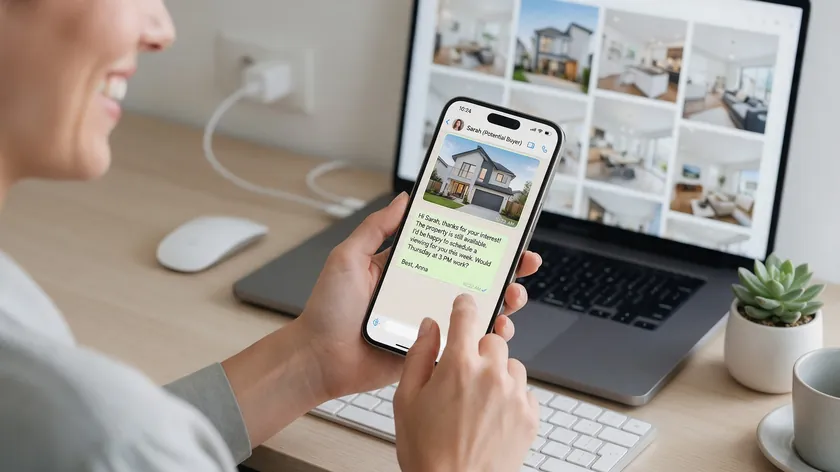
In 2026, WhatsApp is where real estate conversations happen—from the first property inquiry to scheduling viewings to negotiating the final price. With 3.3 billion active users worldwide and instant messaging baked into daily life, buyers no longer want to call an office or wait for an email reply.
This guide covers practical, human-run workflows that real estate agents and small brokerages can set up today to capture leads, qualify buyers, share listings, and close deals faster—without chatbots or heavy tech.
Table of Contents
- Why WhatsApp Is Now Essential for Real Estate
- Setting Up Professional WhatsApp for Real Estate (App vs. API)
- Designing a WhatsApp-First Buyer Journey
- Capturing Property Inquiries via QR Codes, Ads, and Website Buttons
- Qualifying Buyer and Tenant Leads Through WhatsApp
- Sharing Property Listings, Media, and Virtual Tours in Chat
- Scheduling and Managing Property Viewings via WhatsApp
- Building Trust, Handling Documents, and Closing Deals Faster
- Organizing WhatsApp Conversations with a Real Estate CRM
- Day-in-the-Life: A Small Brokerage Running on WhatsApp
- Best Practices and Compliance Tips for WhatsApp in Real Estate
- Key Takeaways
- FAQ
- Can I use a single WhatsApp number for my entire real estate team?
- Is WhatsApp good for high-end or luxury property clients?
- How do I separate my personal and professional WhatsApp conversations?
- Can I manage rental reminders and renewals through WhatsApp?
- What if a buyer doesn’t want to use WhatsApp at all?
Why WhatsApp Is Now Essential for Real Estate
Since around 2020, buyers in regions like Europe, LATAM, and Asia have shifted from phone and email to WhatsApp for property inquiries and negotiations. For real estate professionals, this isn’t a trend to watch—it’s the reality of how deals start.
WhatsApp Is Where LATAM Buyers Already Are
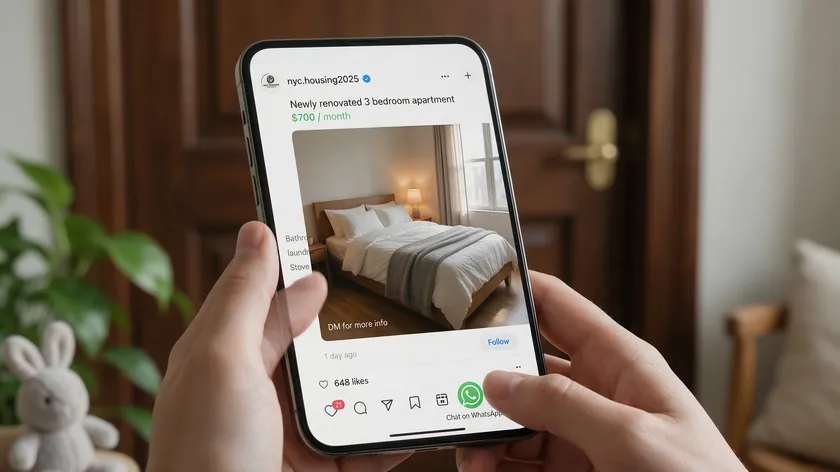
In markets like Brazil, Mexico, and Colombia, WhatsApp adoption surpasses 90%, and real estate is consistently among the industries with the highest engagement on the platform in the region, especially after potential buyers spot listings on Instagram, Facebook, or portals.
WhatsApp supports international communication without high costs, expanding reach for property developers and agencies operating across borders.
Buyers Use WhatsApp for the Entire Conversation
Buyers use WhatsApp for everything: quick questions about property listings, sharing links with family, sending documents, and confirming property viewings. It allows for instant communication with leads at every stage of the real estate market.
Speed Wins the Lead
Responding within minutes increases conversion rates significantly. A Speed to Lead study found that contacting inbound leads within five minutes makes them 21 times more likely to convert than waiting 30 minutes. Real estate inquiries via WhatsApp require immediate attention to avoid losing leads—slow replies send those same buyers directly to competing real estate agencies.
Scattered Chats Cost Agencies Money
Using a personal number and scattered chats creates chaos: lost messages, missed follow-ups, and no clear view of the sales pipeline. Without structure, agents lose money on leads they already paid to generate. WhatsApp can drive 5X lead generation for property listings, but only if those leads are actually handled.
Setting Up Professional WhatsApp for Real Estate (App vs. API)
Every real estate business needs to decide between two setups: the free WhatsApp Business app for individuals or the WhatsApp Business API for teams that need scale. Here are the key features of each.
The WhatsApp Business App
A solo agent or small team can start with WhatsApp Business on a dedicated business number. The app includes a business profile, business hours display, greeting messages, and a catalog—which lets you showcase property listings right inside WhatsApp.
Using WhatsApp Business can improve organization and lead management, and it enhances professional credibility from day one. WhatsApp Business allows catalog creation for property listings, making it easy for buyers to browse without leaving the conversation.
The WhatsApp Business API
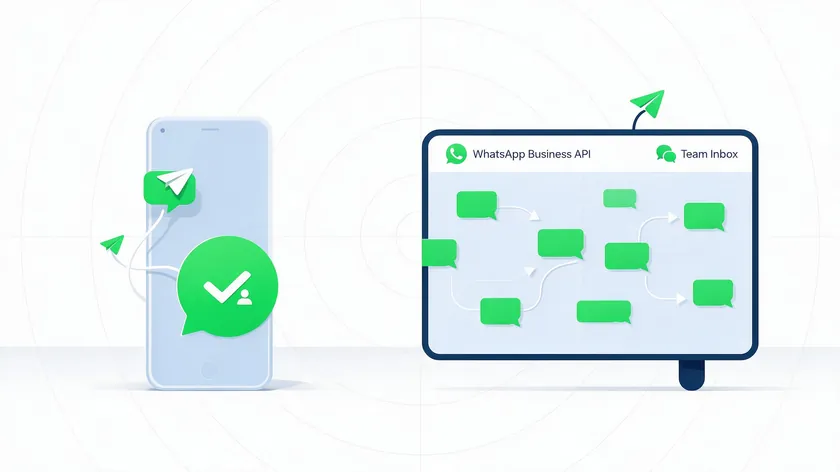
Growing brokerages with multiple offices often move to the WhatsApp Business API to centralize conversations, use a shared number, and connect WhatsApp to their real estate CRM.
The API enables automated responses for after-hours inquiries, and the WhatsApp Business API enables 24/7 automated support for inquiries—a critical advantage when leads arrive at midnight.
Agencies should budget for API messaging costs once they go beyond the free app — see our full WhatsApp Business cost breakdown for exact pricing tiers.
Choosing an API provider (BSP) is important — our comparison guide to the best WhatsApp API providers breaks down the top options in detail.
Here’s a side-by-side look at when each option makes sense:
| Feature | WhatsApp Business App | WhatsApp Business API |
| Best for | Solo agents, small teams | Growing brokerages, multiple offices |
| Number | Single device, one agent | Shared number, multiple agents |
| Cost | Free | Paid messaging (per-conversation) |
| Automation | Basic greeting/away messages | 24/7 automated responses, CRM triggers |
| CRM connection | Not supported | Connects directly to a real estate CRM |
| Catalog | Manual property catalog | Catalog synced with CRM/listings |
Designing a WhatsApp-First Buyer Journey
Picture this: a buyer in June 2026 sees a three-bedroom apartment on Instagram, taps the WhatsApp button, and lands in a chat within seconds.
The agent’s greeting arrives before the buyer puts down the phone. That speed defines the modern real estate communication experience, and WhatsApp facilitates quick replies for frequently asked questions right from the start.
The ideal first impression is an instant, polite greeting that acknowledges the specific property and invites the buyer to share basic needs—budget, location, bedrooms, and move-in date.
Agents should have a few standardized greeting and qualification templates ready but still personalize messages with the buyer’s name and property reference for seamless communication.
WhatsApp can guide the buyer through each stage: first property inquiries, sending shortlists, scheduling property viewings, sharing virtual tours, and post-viewing follow-ups.
Speed matters more than most agents realize: 78% of buyers end up working with the first agent who responds to their inquiry, according to NAR’s 2025 Home Buyers and Sellers Generational Trends Report. On WhatsApp, that first reply can happen in seconds instead of hours.
Every step should make it easy for the buyer to reply with a tap—numbered options for neighborhoods or two time slots for a viewing. This keeps the conversation moving forward without friction.
Capturing Property Inquiries via QR Codes, Ads, and Website Buttons
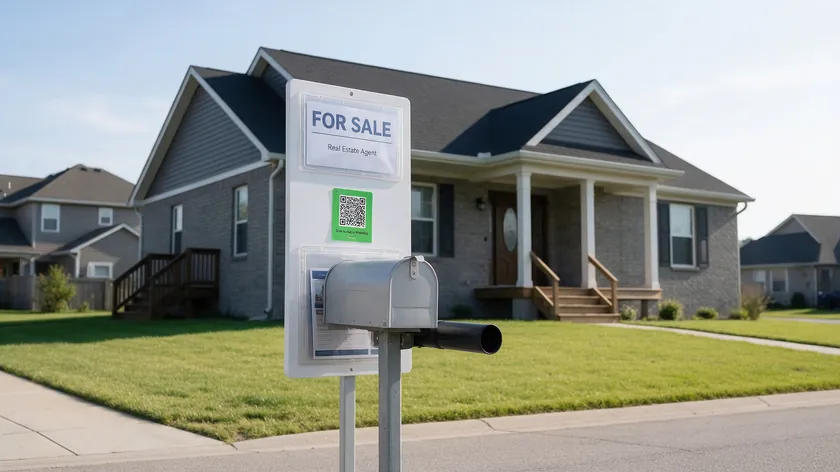
The goal is simple: make it effortless for prospects to start a WhatsApp chat from any touchpoint—yard signs, print flyers, portals, and social ads. Lead generation improves when the path from interest to conversation is one tap or scan.
QR Codes
Place a QR code on “For Sale” boards, open house posters, and brochure stands. When scanned, the code opens WhatsApp with a pre-filled message like “Hi, I’m in front of 24 King Street and would like more info.”
The placement matters: eye-level on yard signs, next to the price on flyers, and at the entrance table during open houses for digital sign-in.
Website Chat Buttons
A “Chat on WhatsApp” button on the agency website or listing page captures inquiries instantly, logging the phone number and property ID. When a buyer clicks from a specific listing detail page, the pre-filled text can include the property reference so the agent knows exactly which unit triggered the conversation.
Click-to-WhatsApp Ads
Click to WhatsApp ads from Facebook and Instagram; let ad viewers tap and land directly in a WhatsApp chat with the listing name pre-filled. Lomas de Angelopolis used this approach and achieved six times more monthly appointments and a 33% shorter sales cycle.
Once the chat starts, basic details—name, budget, preferred areas—can be collected via a short question sequence or a linked form, with form-building specifics covered in another article.
Qualifying Buyer and Tenant Leads Through WhatsApp
Sending listings before lead qualification wastes time and reduces perceived professionalism. WhatsApp is ideal for quick qualification because buyers are already in the conversation and willing to answer two or three short questions.
Qualifying Buyer Leads
Core questions for buyers: budget range, preferred neighborhoods, property type (apartment, townhouse, commercial), number of bedrooms, parking needs, and financing readiness. WhatsApp facilitates quick replies for these—save them as templates so every agent asks consistently.
Qualifying Tenant Leads
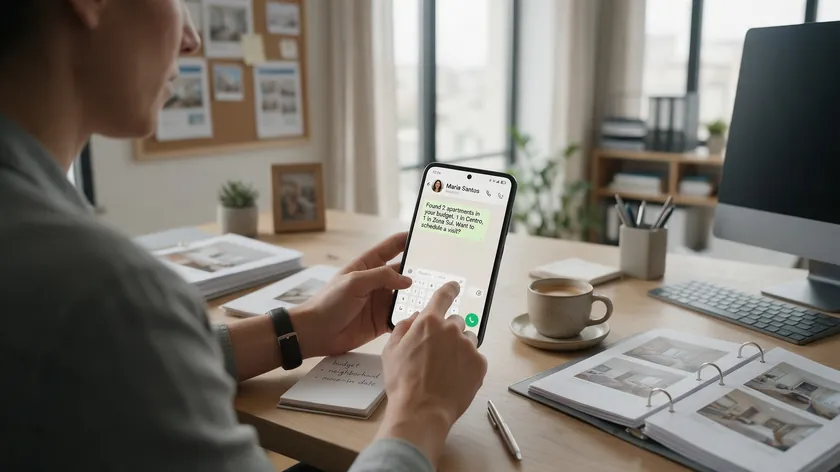
For tenants: monthly rental budget, target move-in date, lease length, pets, number of occupants, and employer or student status. These prevent unnecessary viewings and help agents provide accurate assistance from the start.
Here’s a concrete mini-example of a WhatsApp qualification sequence:
Agent: “Hi Carlos, thanks for asking about the apartment on Calle Verde! Before I send options—what’s your budget range? Preferred area? Bedrooms? And when would you like to move in?”
Carlos: “Around 45-55k MXN, Condesa or Roma, 2 bedrooms, by January.”
Agent: “Perfect—I’ll send 3 listings in those areas today and suggest viewing times for this weekend.”
Outside business hours, an AI agent or autoresponder can pre-ask these same qualification questions so no lead goes cold overnight.
Agencies using WhatsApp AI agents see response times under 60 seconds, and AI agents can qualify leads by capturing budget and preferences. But the focus here is on human-led workflows—the AI simply holds the door open until an agent arrives.
Sharing Property Listings, Media, and Virtual Tours in Chat
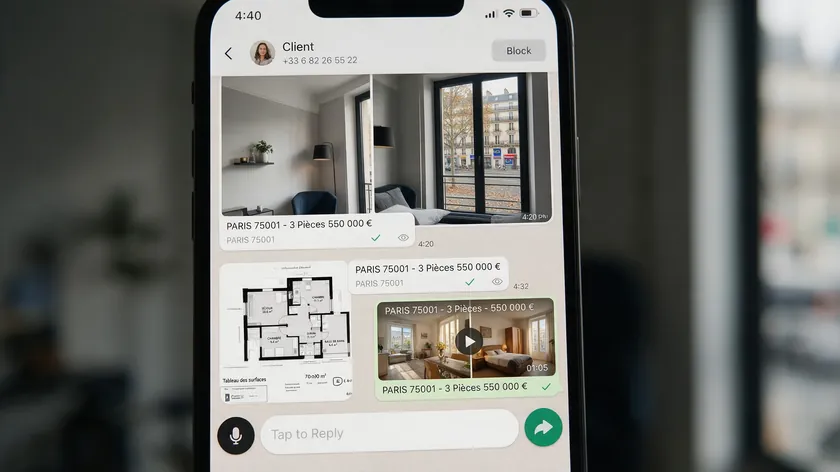
WhatsApp is perfect for rich property listings because buyers naturally forward photos and links to partners, family, or flatmates. WhatsApp supports rich media sharing for high-resolution photos and videos, making every listing feel immersive.
Property Listings and Photos
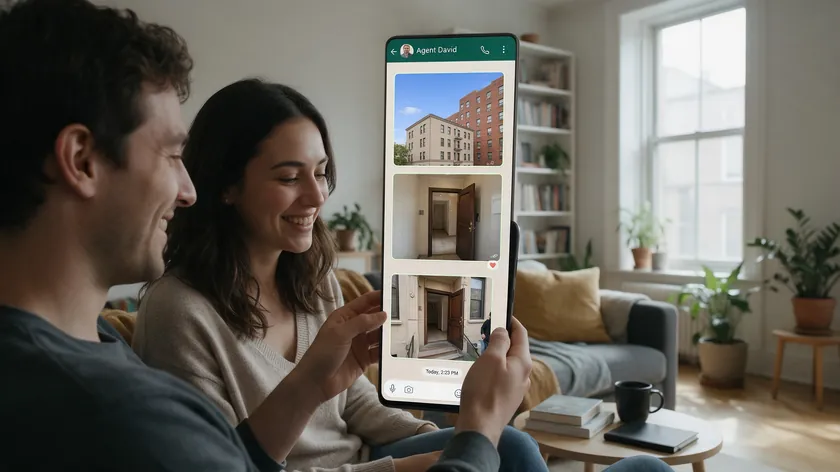
Send 4–8 high-quality photos, a concise description (price, size, key features), and a clear call to action: “Reply 1 to schedule a viewing.” Using WhatsApp, agents can send rich media listings with photos and videos directly in the conversation thread.
Avoid the catalog dump—send a curated shortlist of 3–5 properties tailored to the buyer’s criteria instead.
Virtual Tours and Videos
Virtual tours and 360° videos are powerful in a WhatsApp message: “Here’s a virtual tour of the 2BR at 10 Park Lane—walk through room by room in 3 minutes: [link].” WhatsApp can be utilized for virtual tours and video walkthroughs of properties, letting buyers explore remotely before committing to an in-person visit.
Documents and Location Pins
Attach PDFs (brochures, floor plans) and Google Maps location pins so buyers can understand layout and surroundings without leaving WhatsApp. WhatsApp offers features for document sharing among clients and agents, keeping everything in one thread.
Scheduling and Managing Property Viewings via WhatsApp
Most buyers now prefer to schedule property viewings by chat, not by phone—especially when coordinating around work hours. Offering time slots in a WhatsApp chat removes the awkwardness of phone tag.
- A simple manual flow: the agent offers 2–3 specific time slots (“Tuesday 6:30 pm or Wednesday 9:30 am?”) and confirms the full address, parking info, and any access instructions. Buyers can confirm a viewing directly in the same conversation without switching apps.
- For open houses, use WhatsApp to send the date, time window, a QR code for digital sign-in at the door, and last-minute updates if weather or timing changes.
- Agents can send appointment reminders and viewing reminders—a day before and a few hours before the viewing—to reduce no-shows. Automated reminders can cut no-show rates for property viewings by up to 50%, which saves agents hours of wasted travel time.
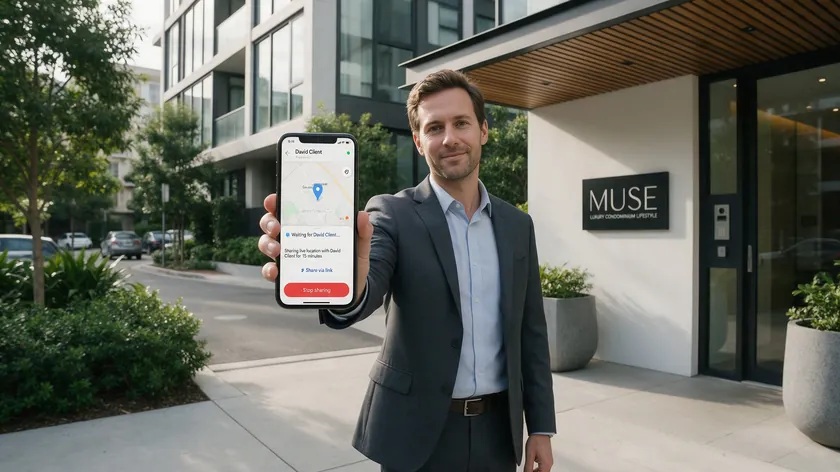
- On the day, share the live location when meeting buyers outside large condo complexes or new developments to avoid delays.
- For larger real estate teams, calendar integration allows available slots to appear automatically through calendar sync, but the integration mechanics are covered elsewhere.
None of this needs to be complicated—two or three clear options in the same thread is usually all it takes to lock in a viewing.
Building Trust, Handling Documents, and Closing Deals Faster
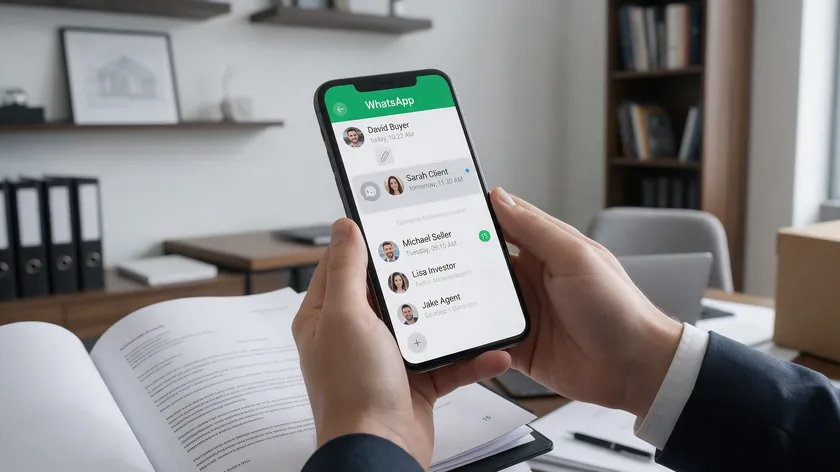
Buyers commit faster when communication feels transparent, traceable, and professional—WhatsApp can support this if used intentionally. Customer satisfaction rises when clients feel they’re dealing with a real person, not a faceless agency.
A Recognizable, Branded Presence
Use a recognizable business number, branded profile photo, and consistent signature line (agent name, agency, and license number) to build trust. WhatsApp’s end-to-end encryption ensures secure client communications, which reassures customers handling sensitive financial information.
Sharing Documents at the Right Moment
Share key documents at the right moment: proof-of-funds requests, pre-approval letters, reservation forms, and draft contracts as PDFs for initial review. Voice notes and short selfie videos from the agent humanize the process and help explain complex terms like contingencies, deposits, or homeowners’ association rules.
Automated Follow-Ups Keep Deals Alive
Automated follow-ups can significantly reduce lead drop-off rates—and automated follow-ups can increase successful property sales by 35%. A simple reminder two days after a viewing, asking, “Any thoughts on the apartment?” keeps the deal alive.
Payments and Written Agreements
In-chat payment links for reservation fees are acceptable, but always confirm details through official channels. Document key agreements—price, dates, and inclusions—in WhatsApp messages so both sides have a written record and can close deals with confidence.
Organizing WhatsApp Conversations with a Real Estate CRM
After a few dozen active leads, individual agents forget who asked for which property, which viewing dates were offered, and which deals are close to signing.
Agencies that stay organized see it directly in results: leads who receive six or more follow-up touches convert at rates 70% higher than those who get one or two, according to Real Trends’ 2025 Follow-Up Study—exactly the kind of consistency a connected CRM makes possible.
What Connecting WhatsApp to a CRM Solves
Connecting WhatsApp to a real estate CRM keeps every conversation, property inquiry, and follow-up reminder in one place. WhatsApp can be integrated with CRM systems to streamline lead management—no more relying on memory or manual spreadsheets. You can also WhatsApp integrate conversation history so nothing falls through the cracks.
What Data Syncs From WhatsApp to the CRM
Typical data to sync: buyer name, phone number, source (QR code, portal, ad), interested property IDs, and current pipeline stage. Broadcast lists allow agents to communicate with up to 256 contacts at once for property alerts and price changes, and WhatsApp broadcasts can achieve a 98% open rate for property updates.
Multi-Agent Inboxes for Larger Teams
Large real estate brokers can use a shared WhatsApp team inbox so different team members reply from the same WhatsApp number without stepping on each other’s client conversations.
The CRM connection is what turns individual WhatsApp chats into a real, trackable sales pipeline—see our WhatsApp CRM integration guide for the exact setup steps. Instead of guessing who said what last week, the whole team can see exactly where each lead stands.
Day-in-the-Life: A Small Brokerage Running on WhatsApp
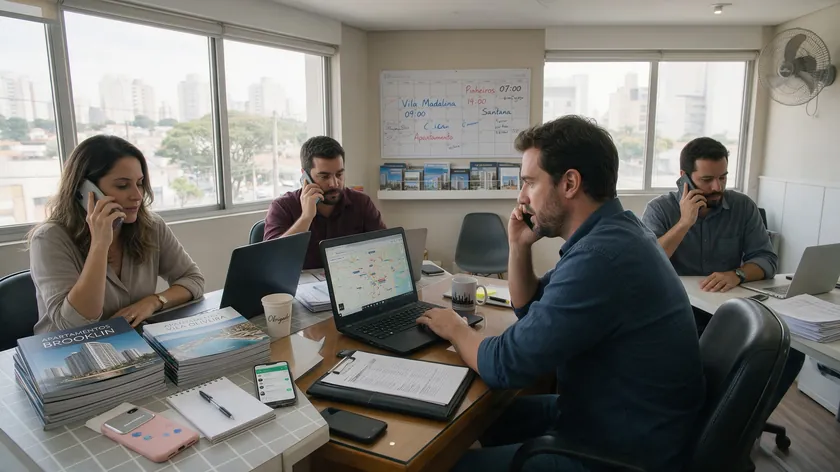
Imagine a five-agent brokerage in São Paulo, 2026. They handle all property inquiries through a single WhatsApp business number and turn WhatsApp into their primary sales channel.
Morning Routine
- At 8:30 AM, the office agent reviews overnight inquiries—seven new messages from click-to-WhatsApp ads and two QR code scans from yard signs. She sends first replies, qualifies each lead with budget and neighborhood questions, and adds hot prospects to the day’s viewing schedule.
Mid-Day Workflow
- By noon, two agents are at property viewings while new inquiries keep arriving. The office agent handles the WhatsApp chat queue, sends virtual tours to remote buyers, and blocks off afternoon time slots. When a rental lead comes in, she reassigns it to the rental specialist within the same WhatsApp thread—the client never notices the handoff.
Afternoon Follow-Ups
After viewings wrap up, agents send post-viewing follow-ups via WhatsApp: asking for feedback, sharing alternative listings if the first choice didn’t fit, and clarifying financing questions.
A high-budget buyer inquiry gets escalated to the senior agent, who picks up the conversation and reviews the full conversation history before responding.
The result: faster response times, fewer missed appointments, stronger client relationships, and the ability to close more deals without expanding headcount.
One quarter into this workflow, the brokerage tracks 40% more closed sales—consistent with industry benchmarks.
Best Practices and Compliance Tips for WhatsApp in Real Estate
Real estate conversations often involve sensitive financial and personal data, so agents must use WhatsApp responsibly. WhatsApp marketing done right builds loyalty; done wrong, it gets you blocked.
- Only send marketing messages—like new property listings, property alerts, or open house announcements—to contacts who have clearly opted in to receive updates via WhatsApp. Broadcast frequency and relevance must be controlled to avoid spam complaints.
- Avoid sharing full ID numbers or highly sensitive documents in plain chat. Use secure document portals for final versions and treat WhatsApp as a coordination layer, not a document vault.
- Be cautious with unknown international numbers. Never share login verification codes by WhatsApp, and verify unusual large-cash or crypto purchase claims by requesting official proof of funds through proper channels.
- Create a simple internal WhatsApp policy—what can be shared, how to store conversations, and when to move to email or in-person meetings—and train every new real estate agent on it before they handle their first lead.
None of this slows agents down—it just keeps the conversation professional enough that buyers trust you with their next big financial decision.
Key Takeaways
- In LATAM and similar markets, over 90% of property inquiries now come through WhatsApp—agents who answer first win the lead.
- A buyer can move from the first WhatsApp message to scheduled viewings, virtual tours, follow-ups, and signed offers using simple, repeatable workflows.
- A solo real estate agent can start with the free WhatsApp Business app, while a growing agency should consider the WhatsApp Business API plus a real estate CRM to centralize conversations.
- Specific use cases—QR codes on yard signs, sharing curated listings in chat, lead qualification templates, and agent handoffs—set real estate apart from generic messaging, all without losing the personal, human touch.
- Organized WhatsApp workflows help real estate teams respond faster, build trust, and close deals faster without losing the human touch.
Ready to put these workflows in place? w.app generates a branded WhatsApp link or QR code for every touchpoint—so you always know which one started the conversation—plus Multi Agent and Widget features for your team.
FAQ
Can I use a single WhatsApp number for my entire real estate team?
Many small brokerages successfully use one shared WhatsApp Business or WhatsApp Business API number so clients always see a single, recognizable contact.
Behind the scenes, different agents handle conversations from a team inbox. This prevents the confusion of buyers texting three different personal numbers and getting inconsistent answers.
Is WhatsApp good for high-end or luxury property clients?
Luxury buyers often prefer discreet, fast communication. WhatsApp works well for sharing private virtual tours, high-resolution photos, and location pins without the formality of email.
The key is maintaining professionalism—use a verified business profile, protect confidentiality, and avoid sending mass broadcasts to high-net-worth clients.
How do I separate my personal and professional WhatsApp conversations?
Use a dedicated business number with WhatsApp Business on a separate device or dual-SIM phone. Keep personal chats and family groups on a private account.
This prevents the embarrassment of accidentally sending a listing to your family group and keeps client data where it belongs. It also makes it easier to hand off your business number if you ever bring on a partner or assistant.
Can I manage rental reminders and renewals through WhatsApp?
Many agencies use WhatsApp to send polite rent reminders, lease renewal notices, and inspection dates to tenants.
However, payments and lease changes should still be logged in a property management system or real estate CRM to maintain a proper audit trail.
What if a buyer doesn’t want to use WhatsApp at all?
While most modern buyers are comfortable on WhatsApp, agents should always offer alternatives like email or phone. Mirror key information shared in WhatsApp so the client can choose their preferred channel without losing details.
Meeting customers where they are—even if that’s not WhatsApp—is simply good real estate communication. Forcing a channel a buyer doesn’t like rarely wins the deal, no matter how efficient it is for the agent.